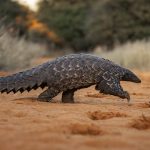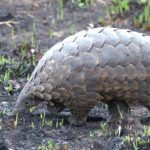
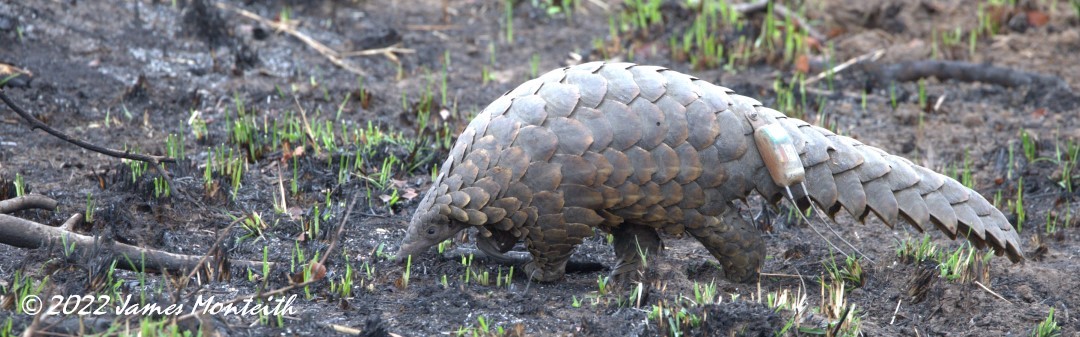
You are very lucky if you sight a pangolin while on safari. Many experienced safari guides have never seen this illusive, engaging, and endangered animal in a lifetime spent in the bush let alone a safari client on a 10-day trip. The statistics are astounding:
- There are 4 species of pangolin in Africa and 4 in Asia
- All are in serious decline and threated with extinction due to the demand from Asia for their scales (keratin) and meat. Pangolin scales end up in traditional Chinese, so-called, medicines and their bodies in pangolin soup. There is zero evidence that chewing your fingernails (keratin) confers any health benefits, yet pangolin scales (keratin!) are harvested by the ton to make useless products. It is estimated that around 2000 pangolins are poached – let’s call it as it is, MURDERED – for every ton of scales produced.
- Despite this illegal and immoral removal of pangolins from the wild no one knows how many pangolins there are or how they are distributed.
Well, conservation organisations around the world are working to better understand this incredible keystone species. Keystone species? Yes, the pangolin is widely considered a keystone species because its role in controlling insect populations and aerating soil is vital for a healthy ecosystem, having a significant impact on biodiversity and soil health that exceeds its biomass. Pangolins consume tens of millions of ants and termites annually, regulating their populations, and their extensive burrowing activities turn over soil, releasing nutrients and creating habitats for other species. The video and those Copyright marked images were kindly provided by a Safari Co client – James Monteith. Thanks James. James kindly provided this video of their pangolin sighting.
If you haven’t already seen this incredible documentary film – The Eye of the Pangolin, click the link here. The creators set out to film all 4 African species in the wild – something never done before.
Facts about Pangolins
-
-
- Pangolins do not make good pets
- Pangolins do not do well in captivity
- Pangolin means “Roller.”
- Pangolins are in serious trouble.
- All pangolins are on the International Union for Conservation of Nature (IUCN) Red List
- All African pangolins eat termites and ants.
- There are 4 Asian and 4 African species of Pangolin, and all are seriously threatened with extinction. The African pangolins are:
- Temminck’s Ground Pangolin
- Giant Ground Pangolin
- White-bellied Tree Pangolin
- Black-bellied Tree Pangolin
-
Pangolins give birth to one to three live young at a time, though most African species typically have a single offspring, while Asian species may have more. The mother cares for the young, known as pangopups, in a burrow or tree hollow, and the infants often ride on her back until they are old enough to be independent.
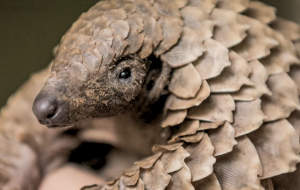
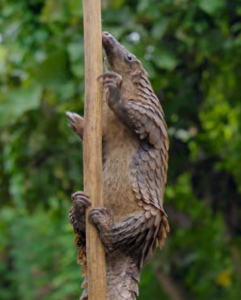
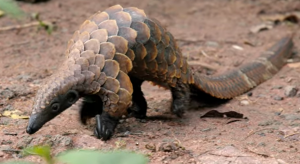
- Pangolins are the animals most poached and traded illegally – for their scales that are used in Asian traditional medicine but pangolin foetuses are also eaten as delicacies.
 Safari Co is delighted to be a Pangolin Guardian. In an effort to spread the word Safari Co recently had an on-line meeting with Toby Jermyn (Chief of Party, Pangolin.Africa). Read Part 2 of our Pangolin Blog for more about Pangolin.Africa, Pangolert and Pangolin.Africa’s work to save a species. Help save the pangolin – click on this link to download the Pangolert Poster.